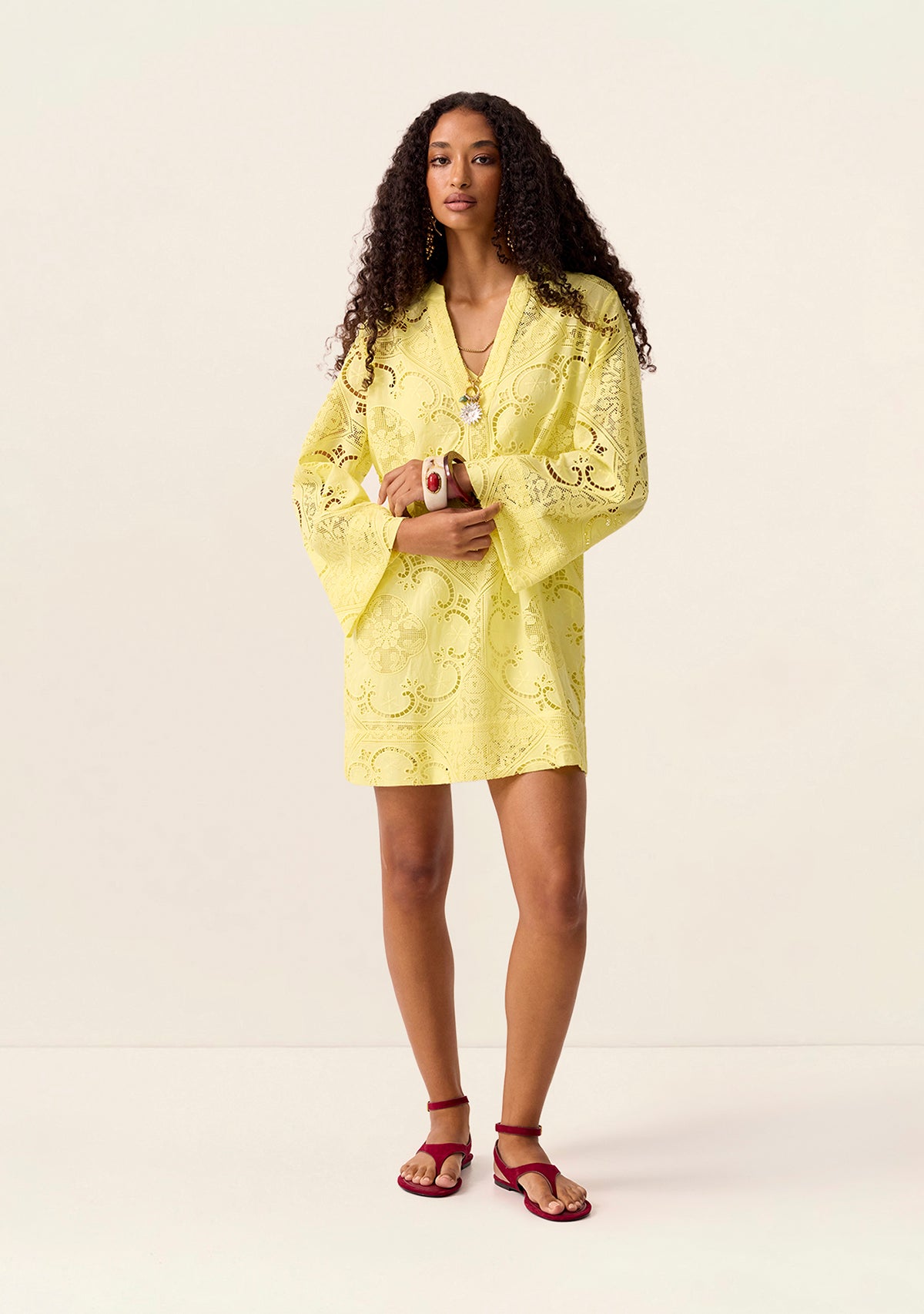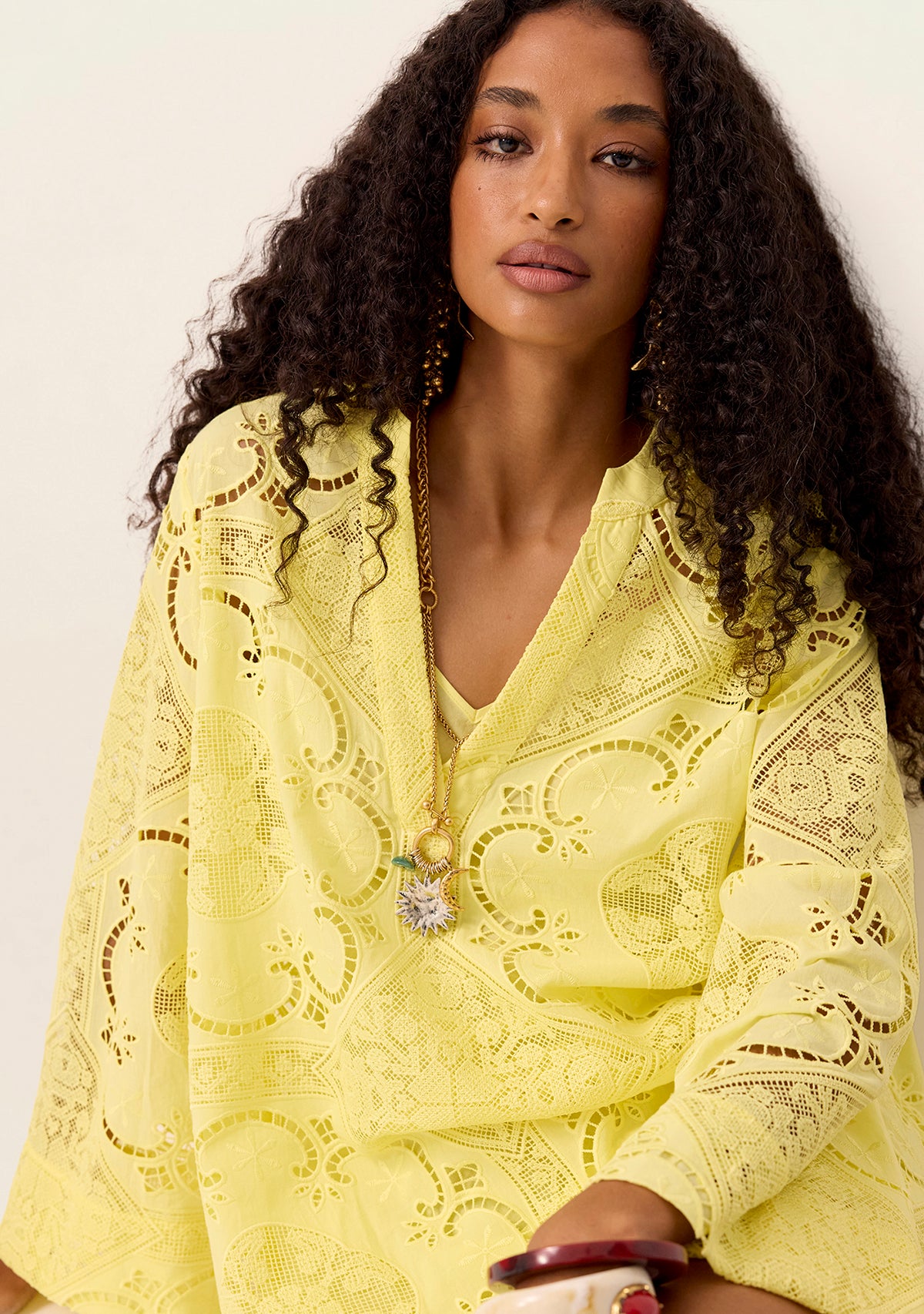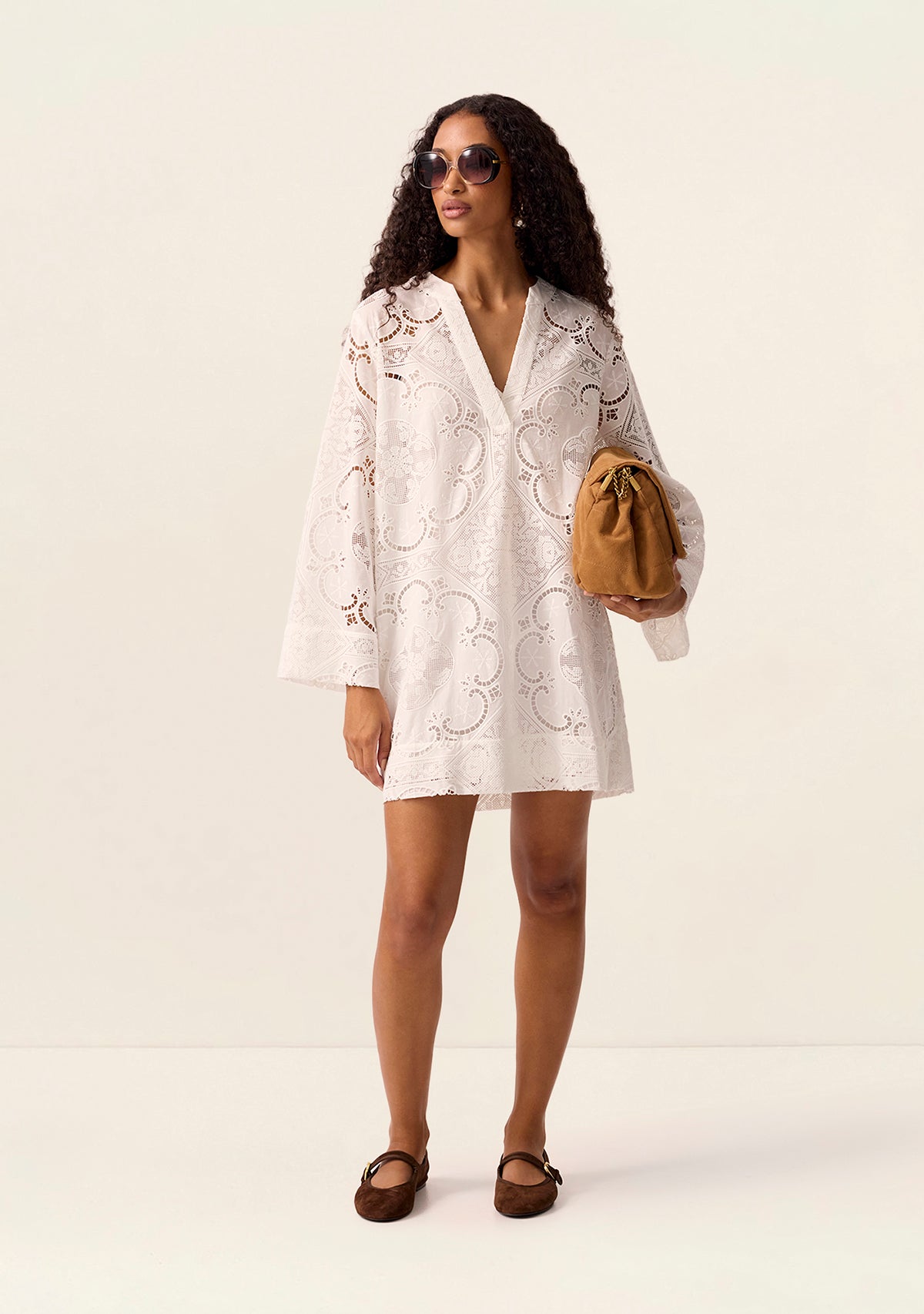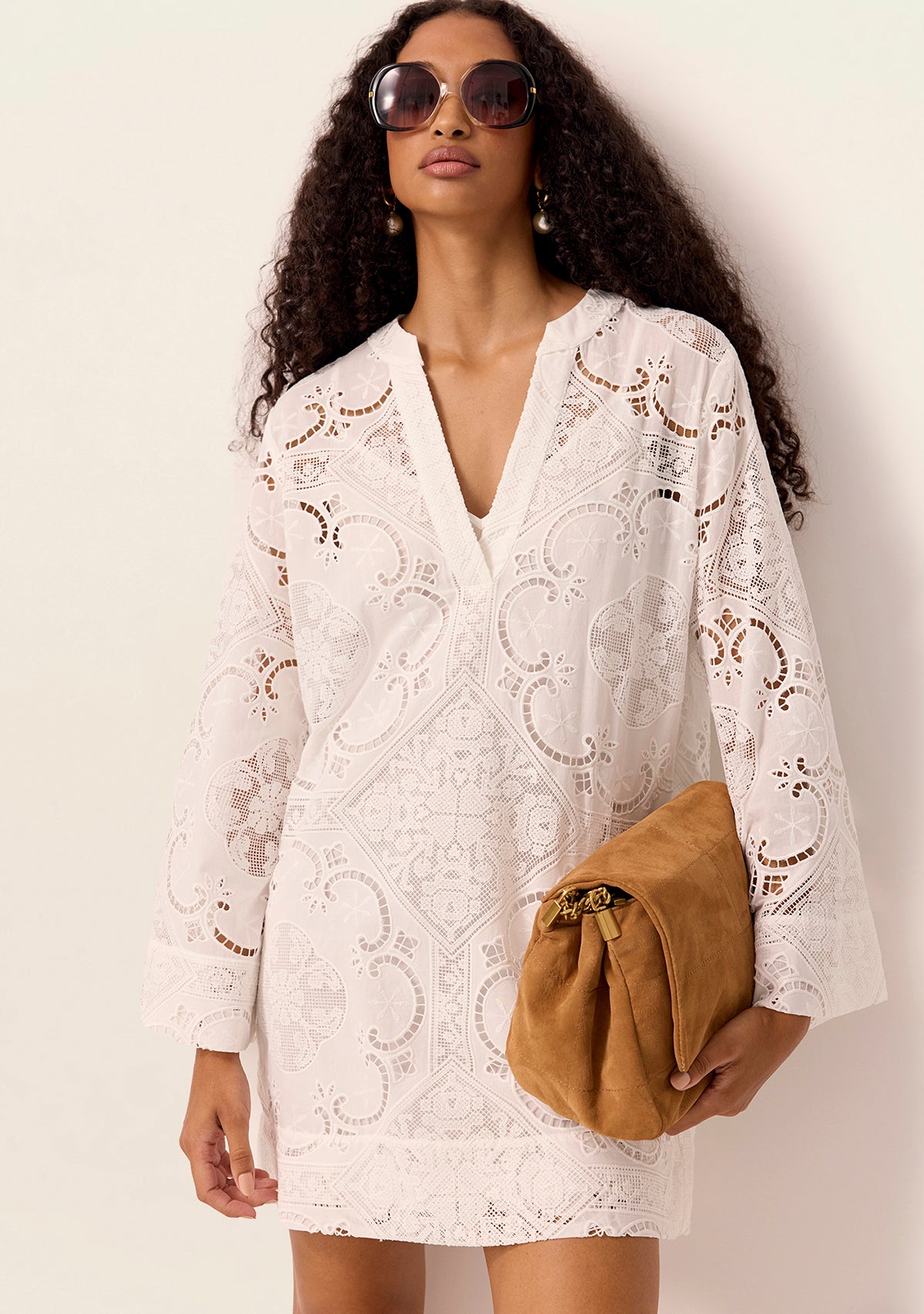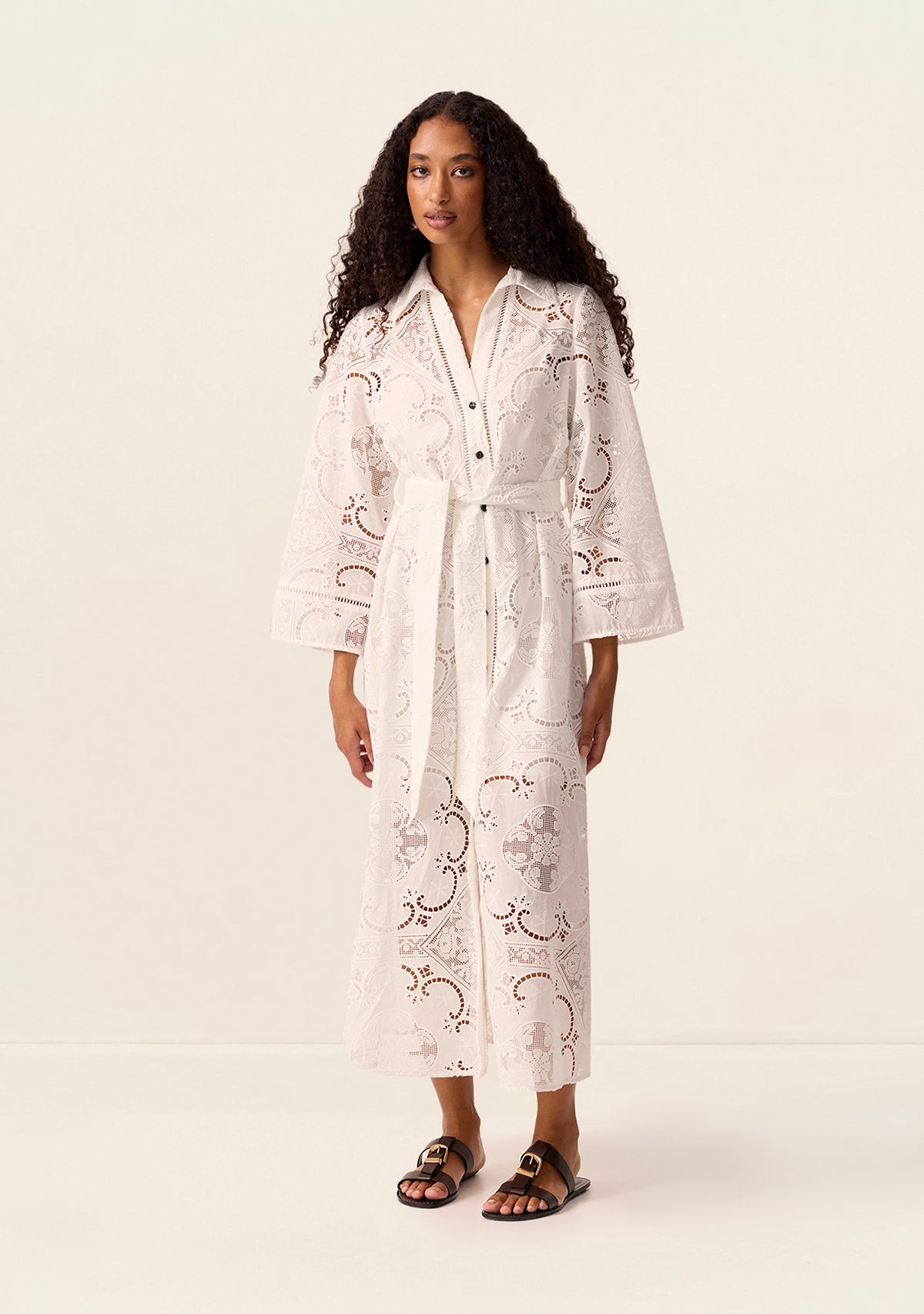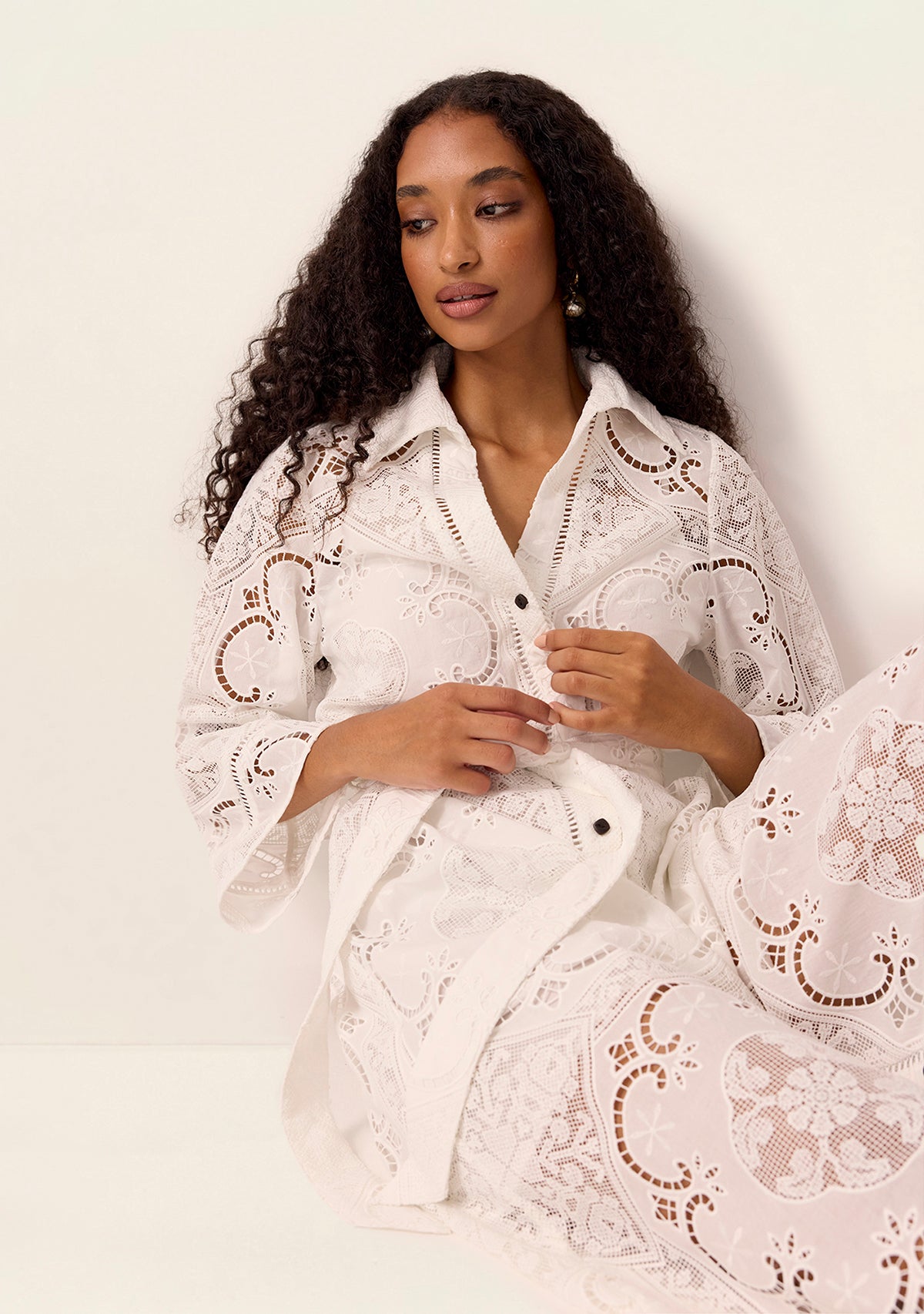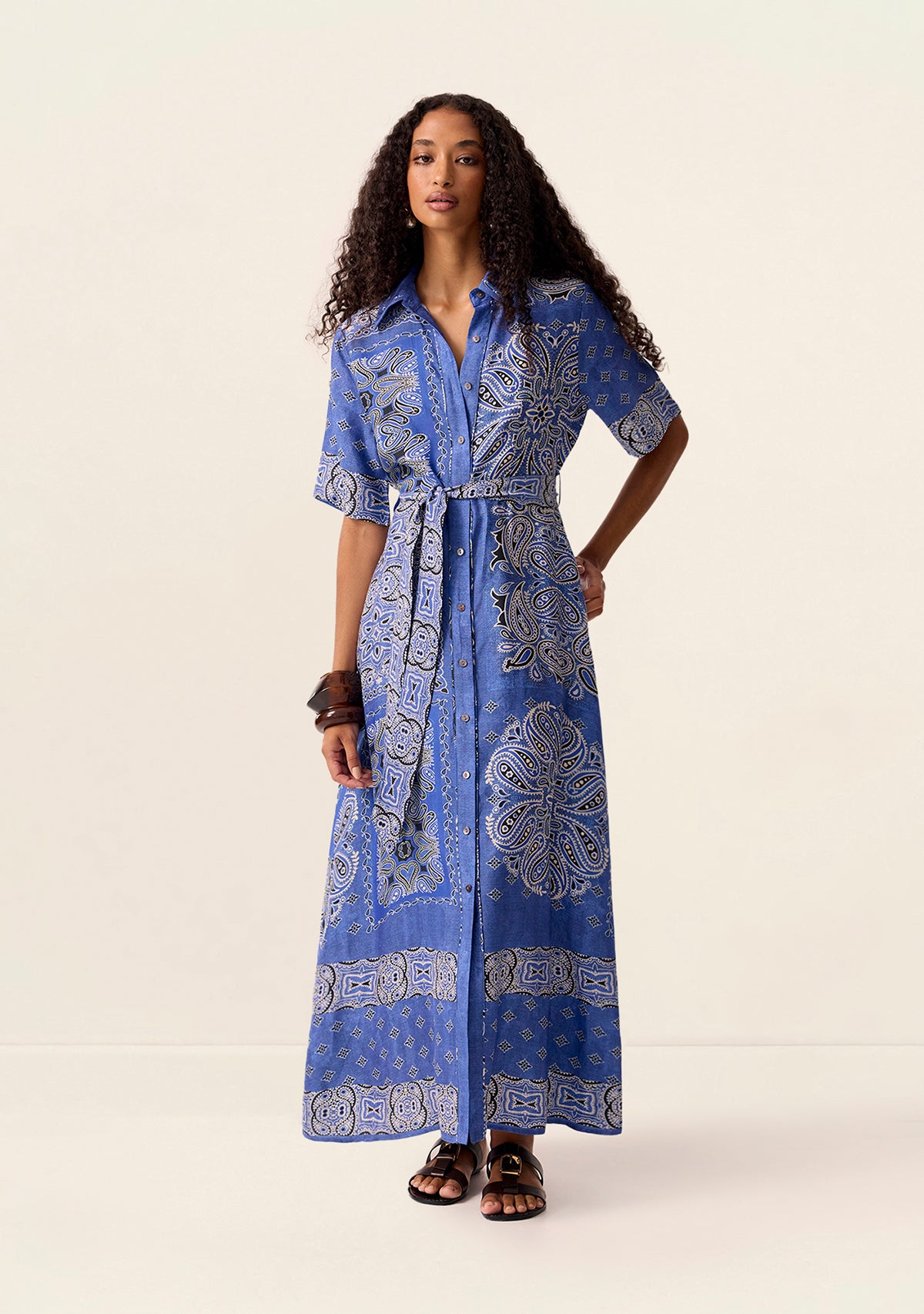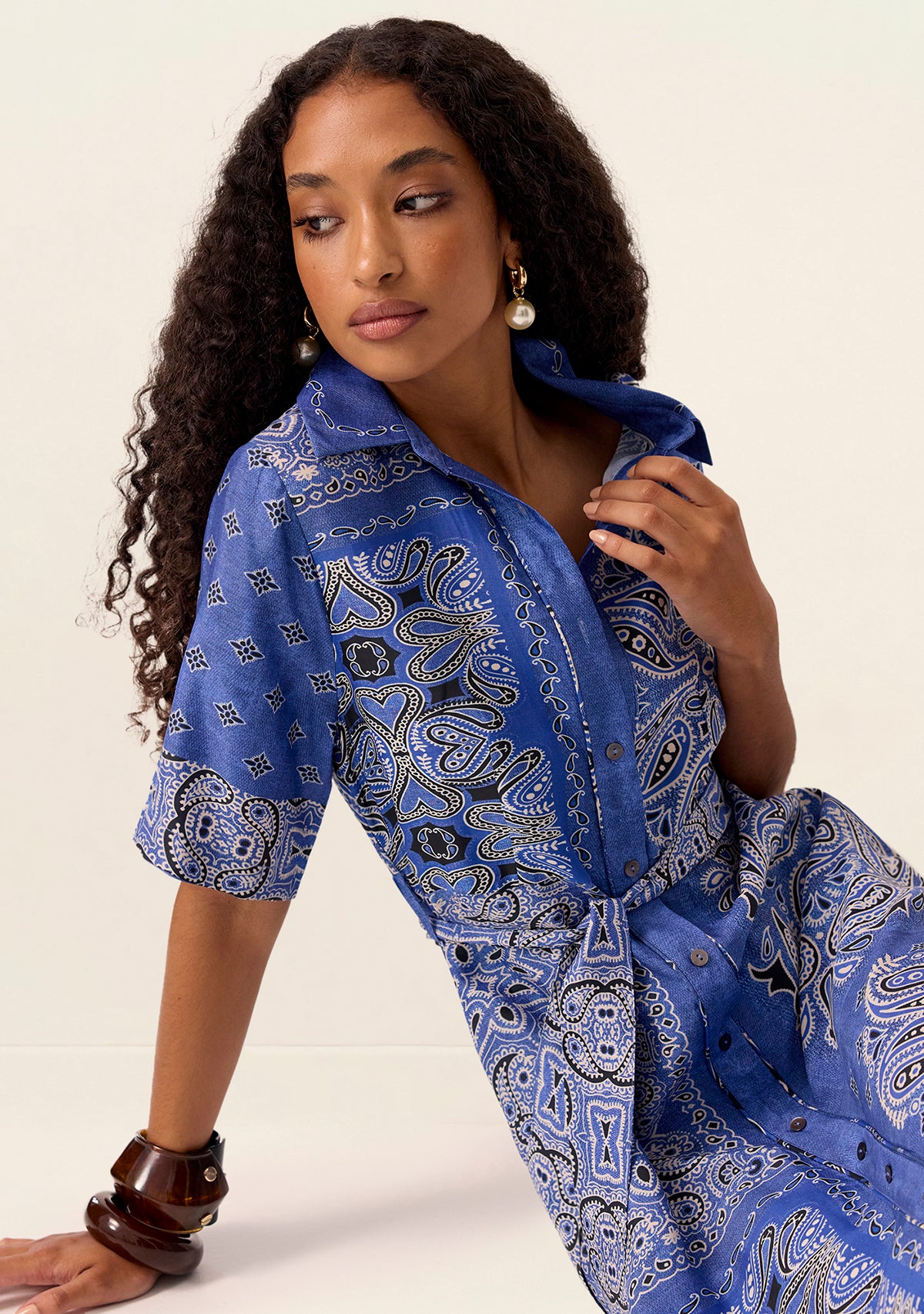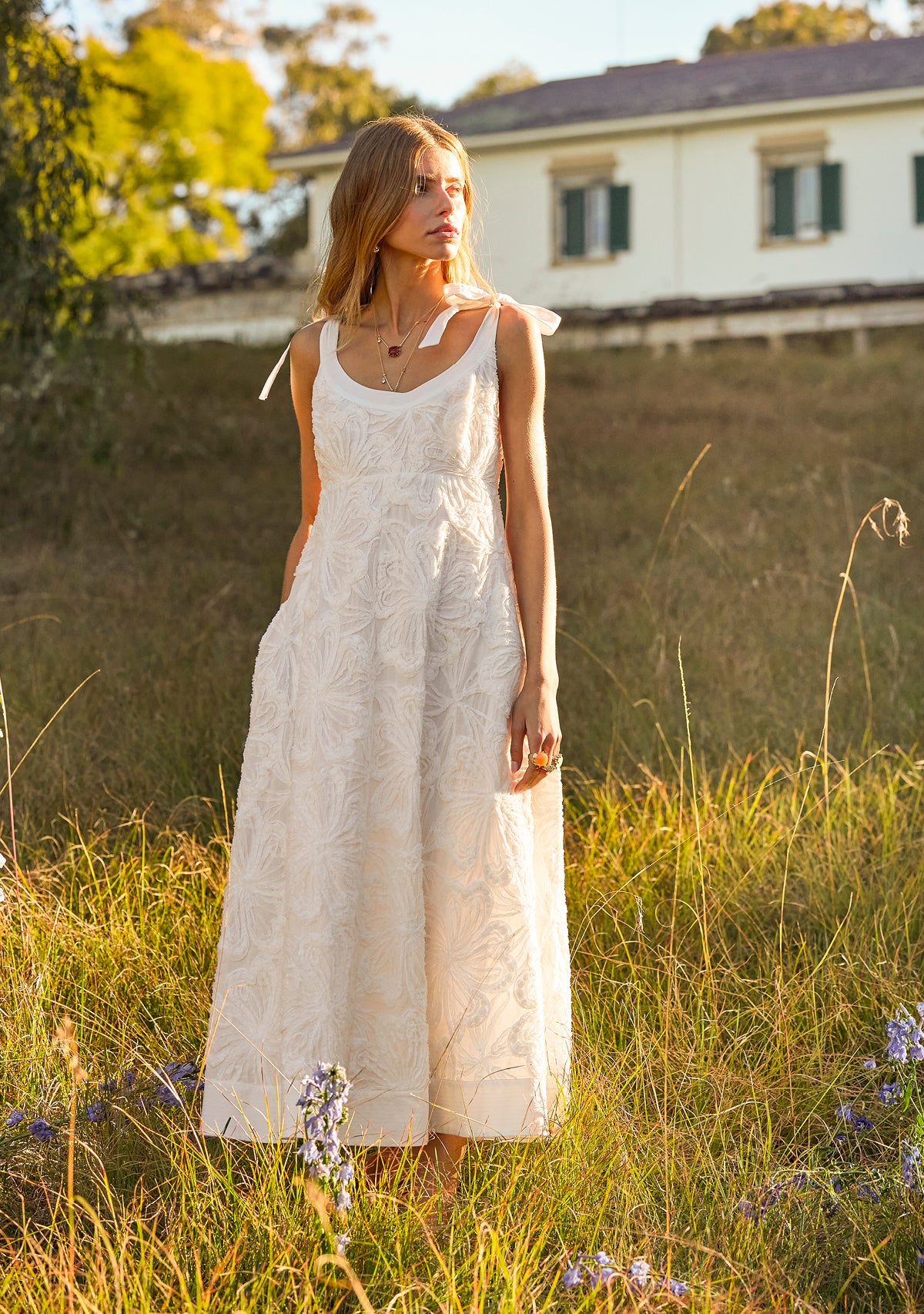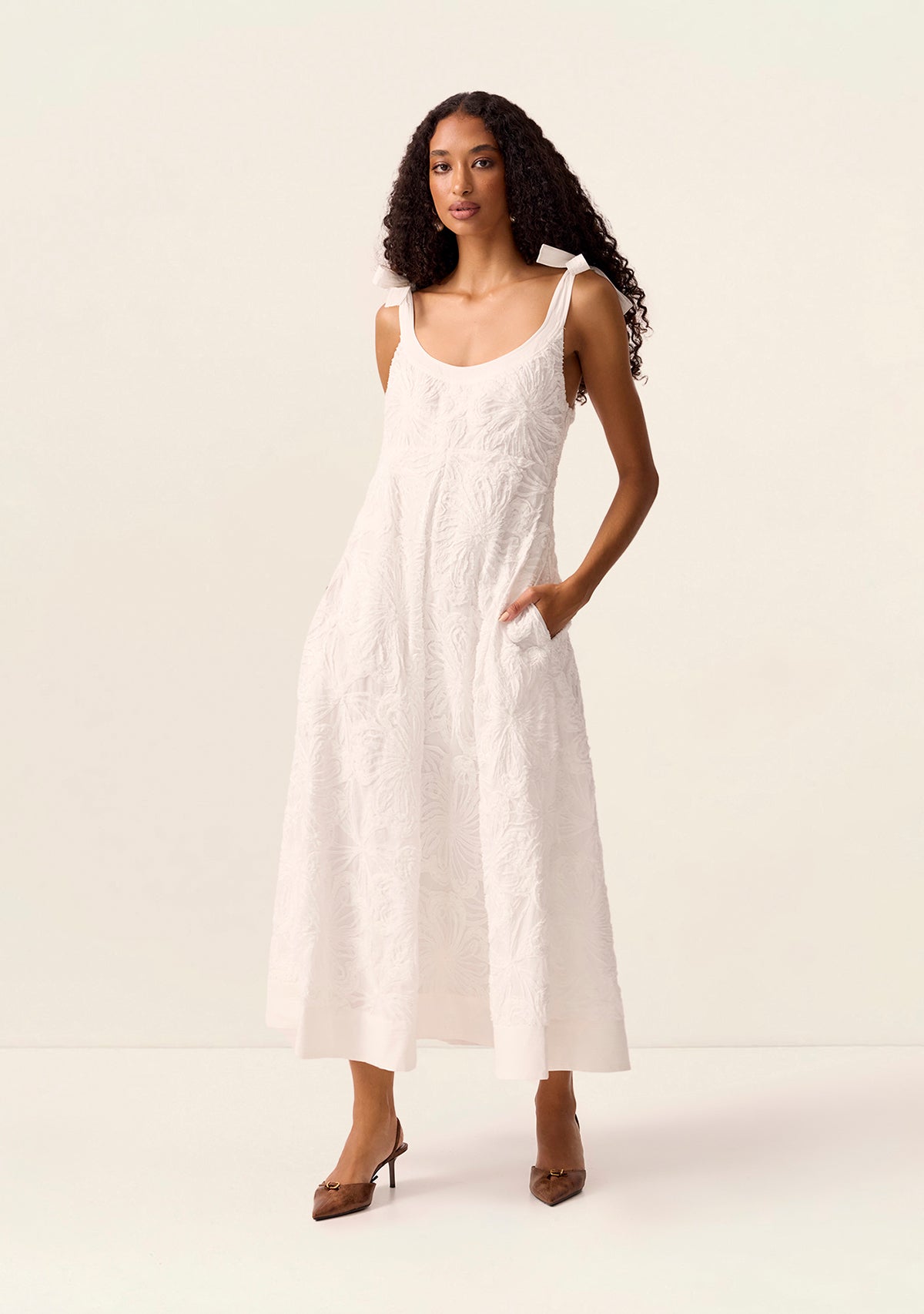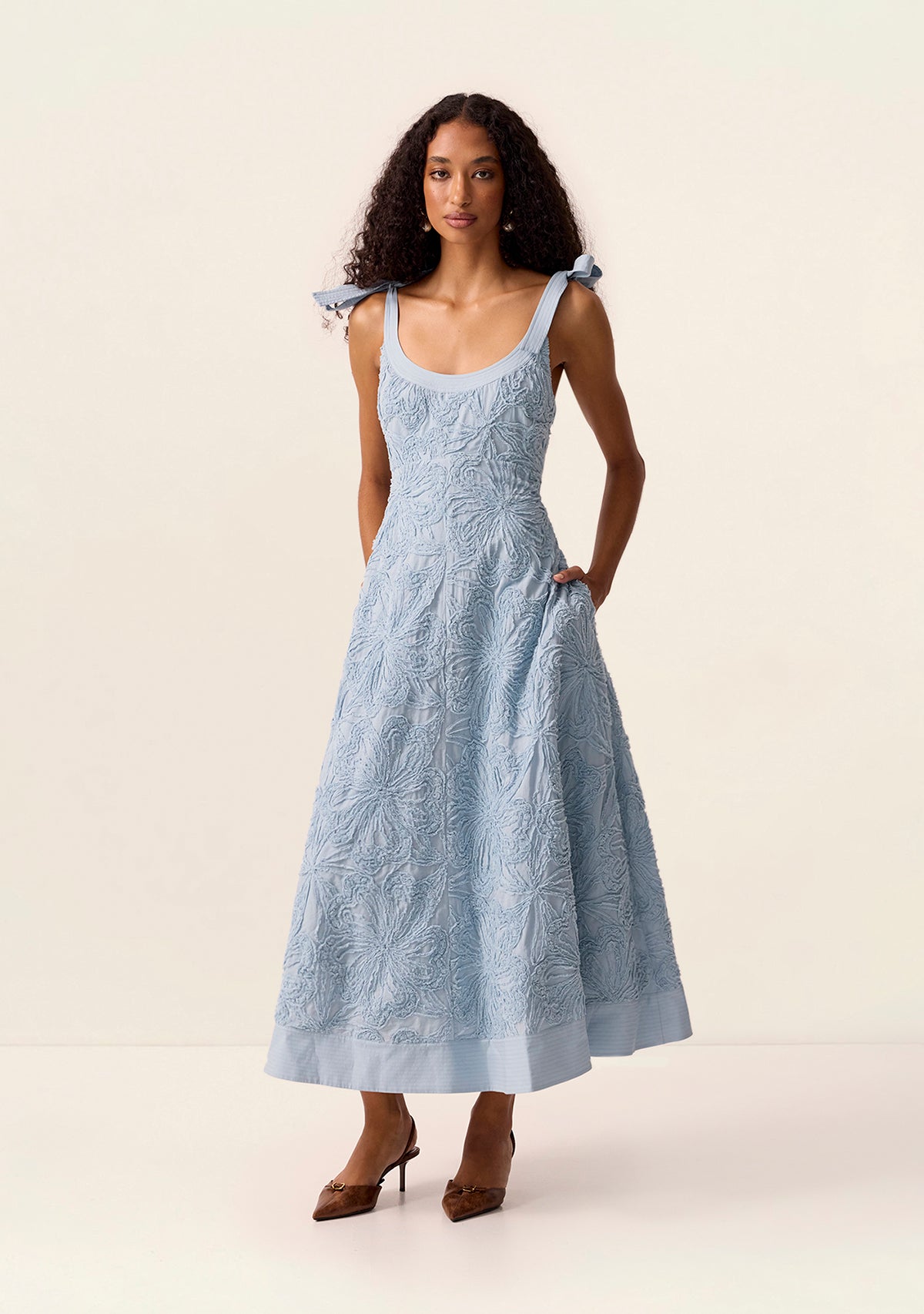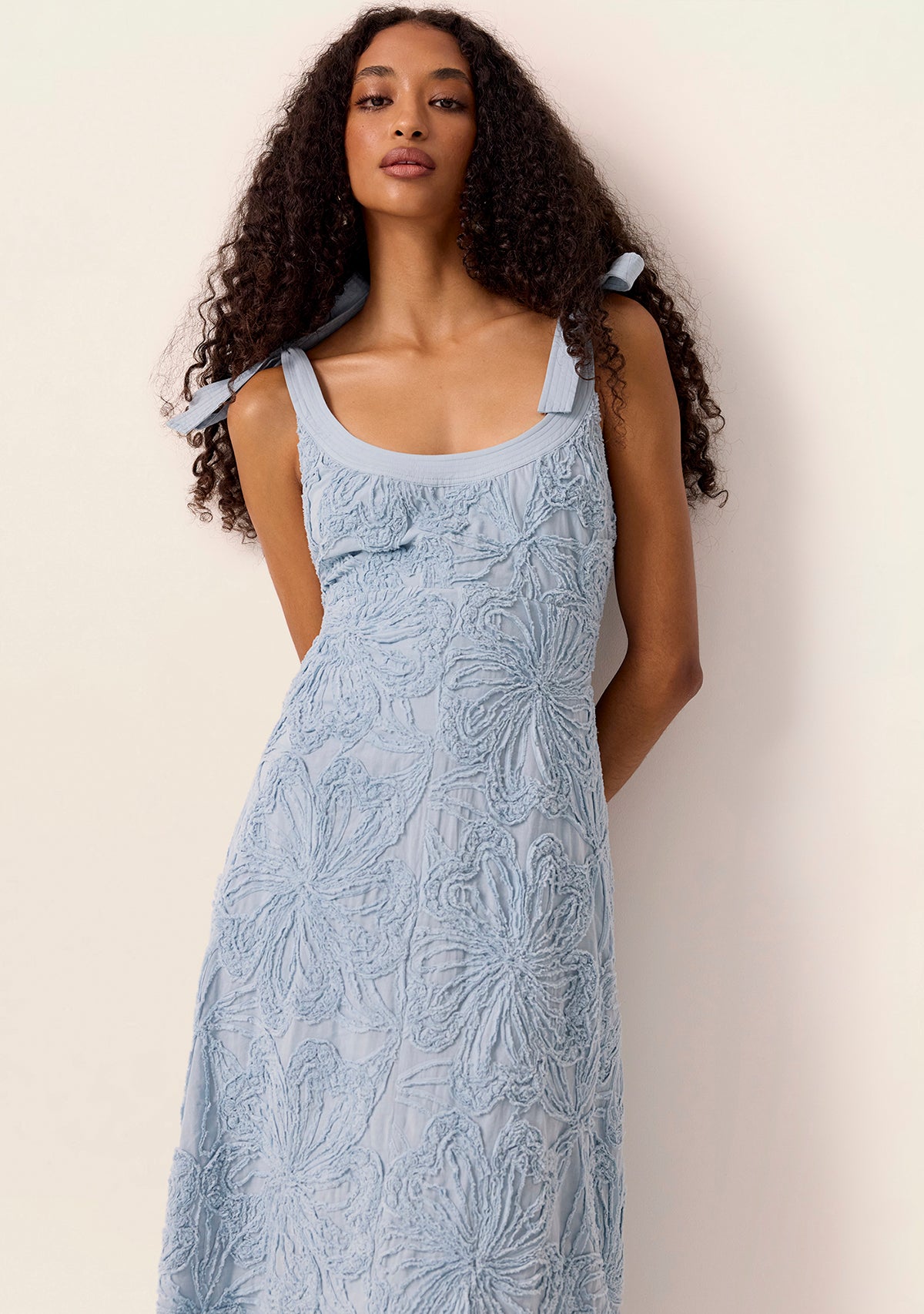

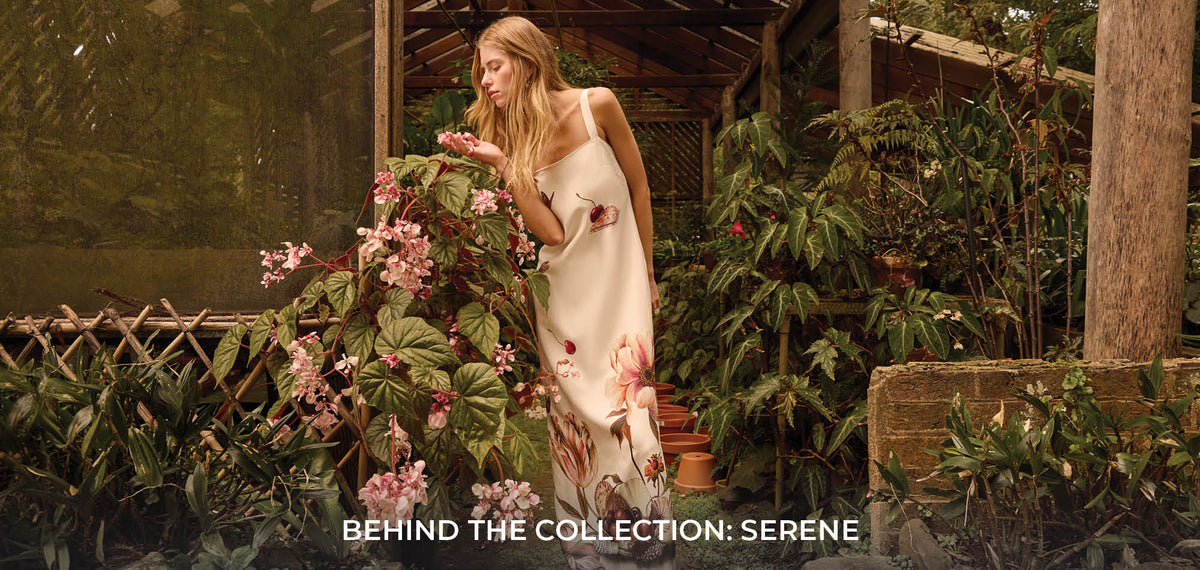
With the arrival of Serene, we sat down with the MOS Design team to talk through the thinking behind the new collection; the silhouettes we're backing, the fabrications we gravitate towards and the details that bring the season together.
What was the mood behind Serene?
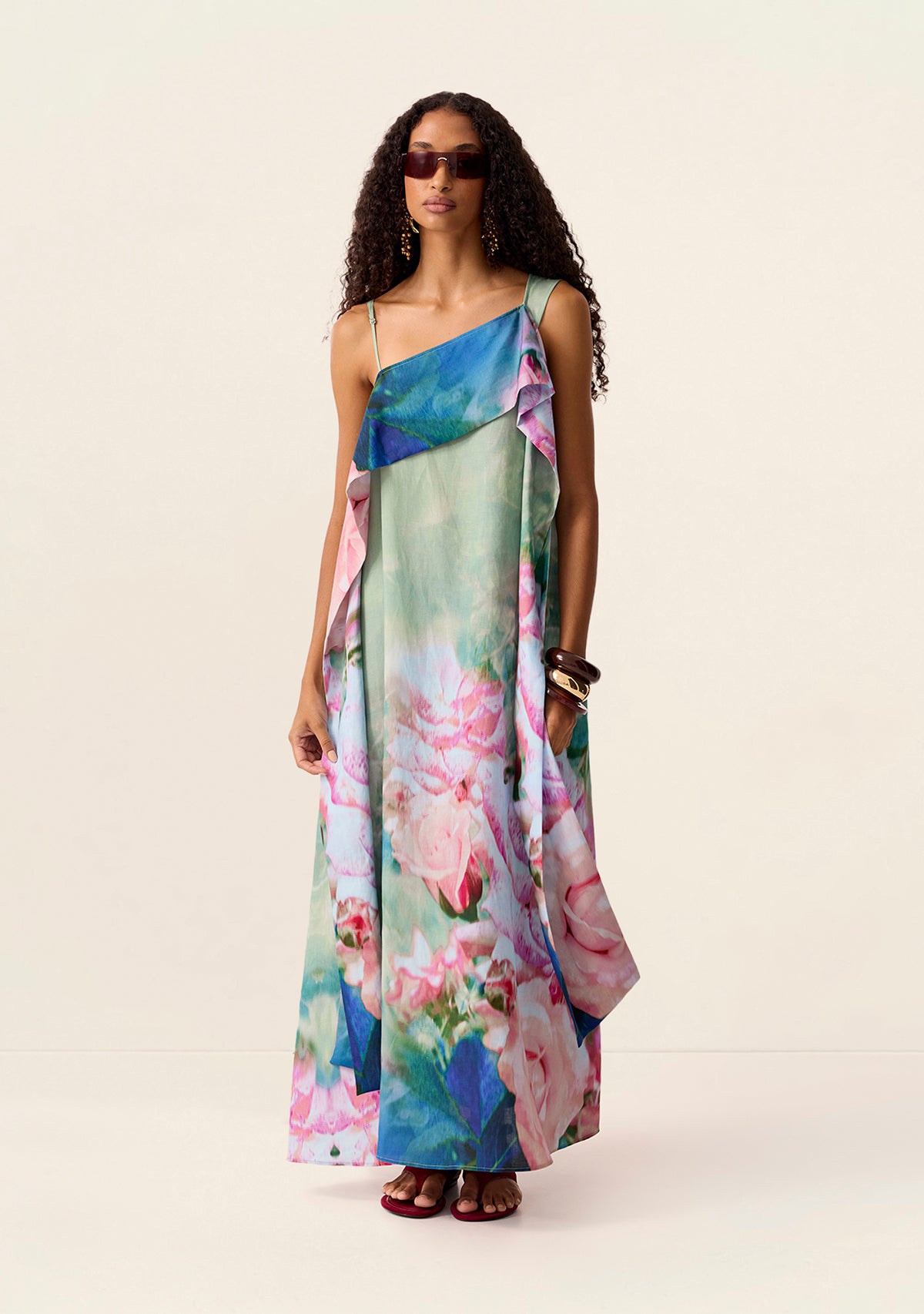
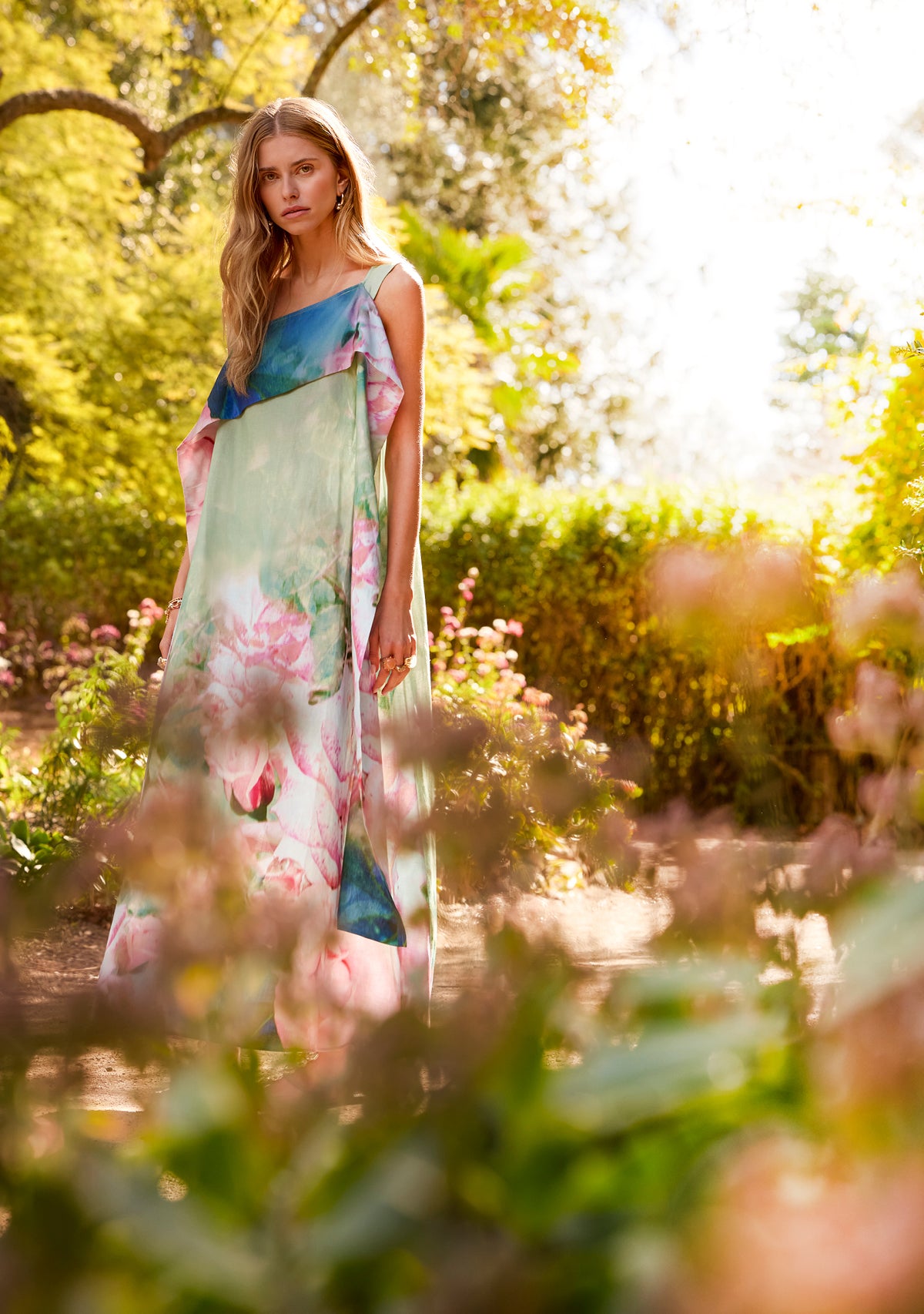
When we look at Serene as a whole, there's a really romantic, garden-party feeling to it. There are florals throughout the collection, beautiful placement prints and softer silhouettes that give it that sense of spring and flowers in bloom.
It feels very feminine and romantic, but still very much within the MOS DNA. There's always that balance for us, we don't want femininity to feel overly sweet or predictable.
There's also some quite strong tailoring in the collection. How does that fit into the story?
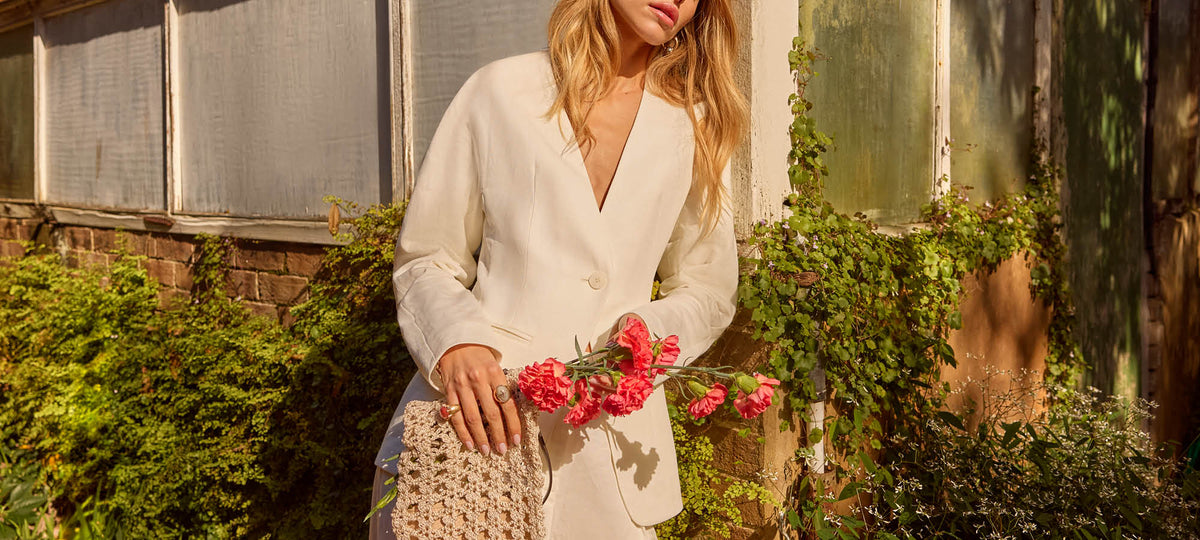
We wanted the tailoring to feel softer and more modern.
You'll see shapes like the sculpted shoulder blazer paired with a barrel-leg pant, which is a silhouette we're really backing this season and one you'll continue to see from us.
Even small decisions make a difference. Removing a traditional collar from a blazer, for example, immediately takes it away from feeling like generic businesswear. It feminises and modernises the shape while still giving you that structure.
It's workwear, but softened. Pieces you can wear well beyond the office.
“Part of the design process is taking what's happening with silhouettes and interpreting it in a way that still feels like MOS.”
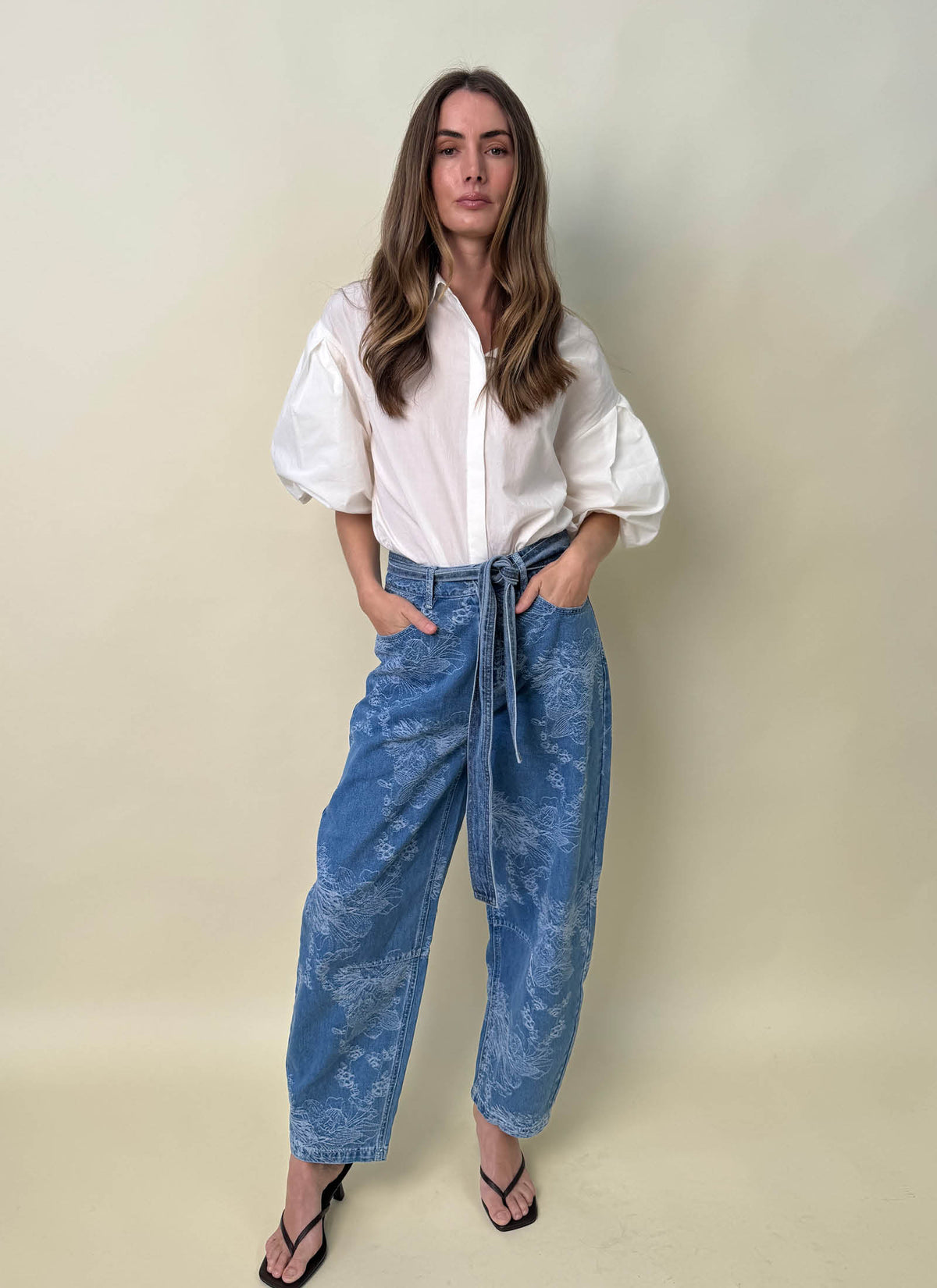
The barrel leg is a newer silhouette for MOS, why now?
It's an important shape for the season and something we've chosen to really get behind.
Part of designing a collection is looking at where silhouettes are moving and then interpreting those ideas in a way that still feels like MOS. We don't want to introduce a shape once and move on from it. If we believe in it, we'll continue exploring it through different fabrications and iterations.
That's how new shapes start to become part of the MOS wardrobe.
Prints are a big part of Serene. What can you tell us about the Tulip story?
Tulip really captures that garden-party mood running through the collection.
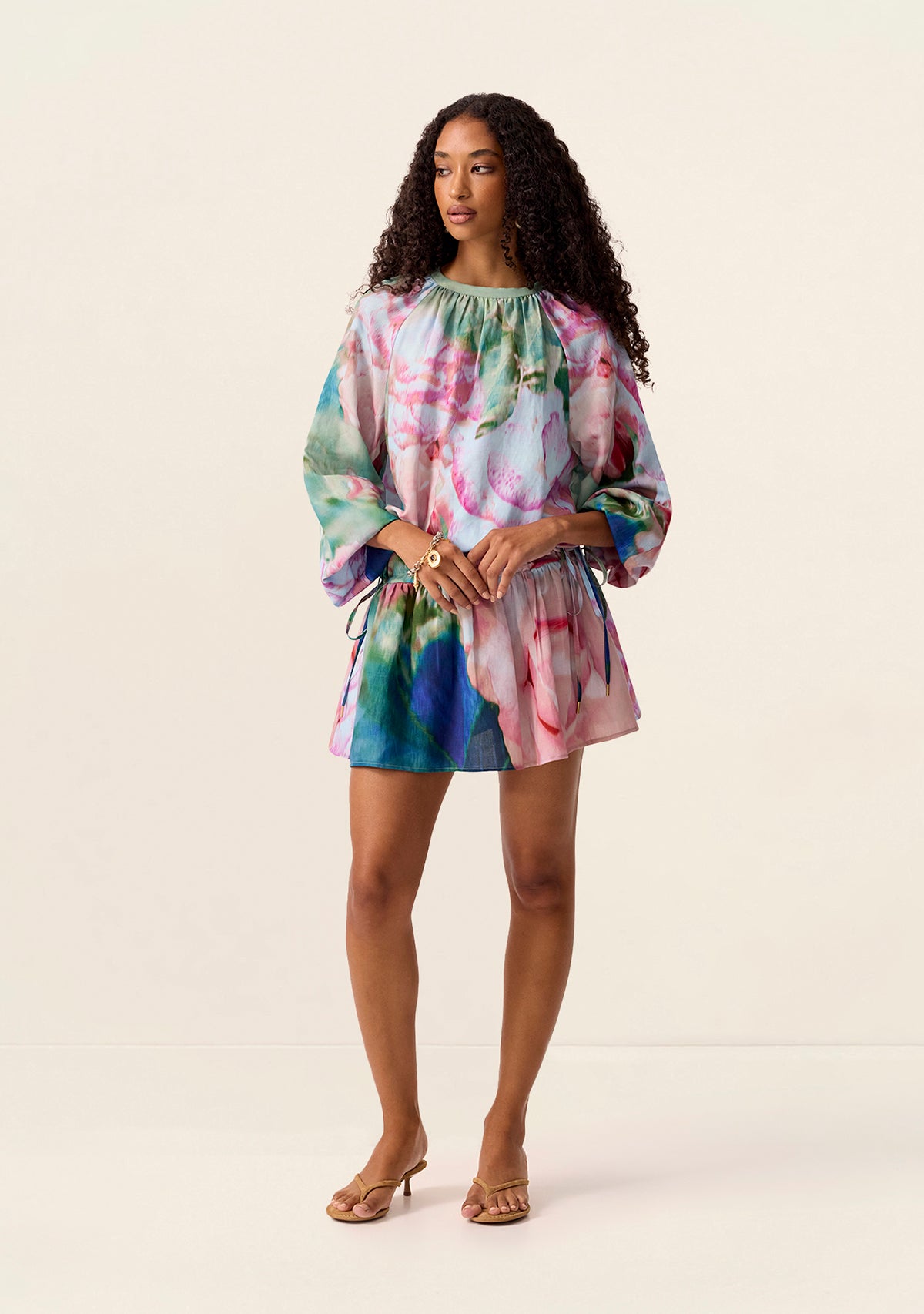
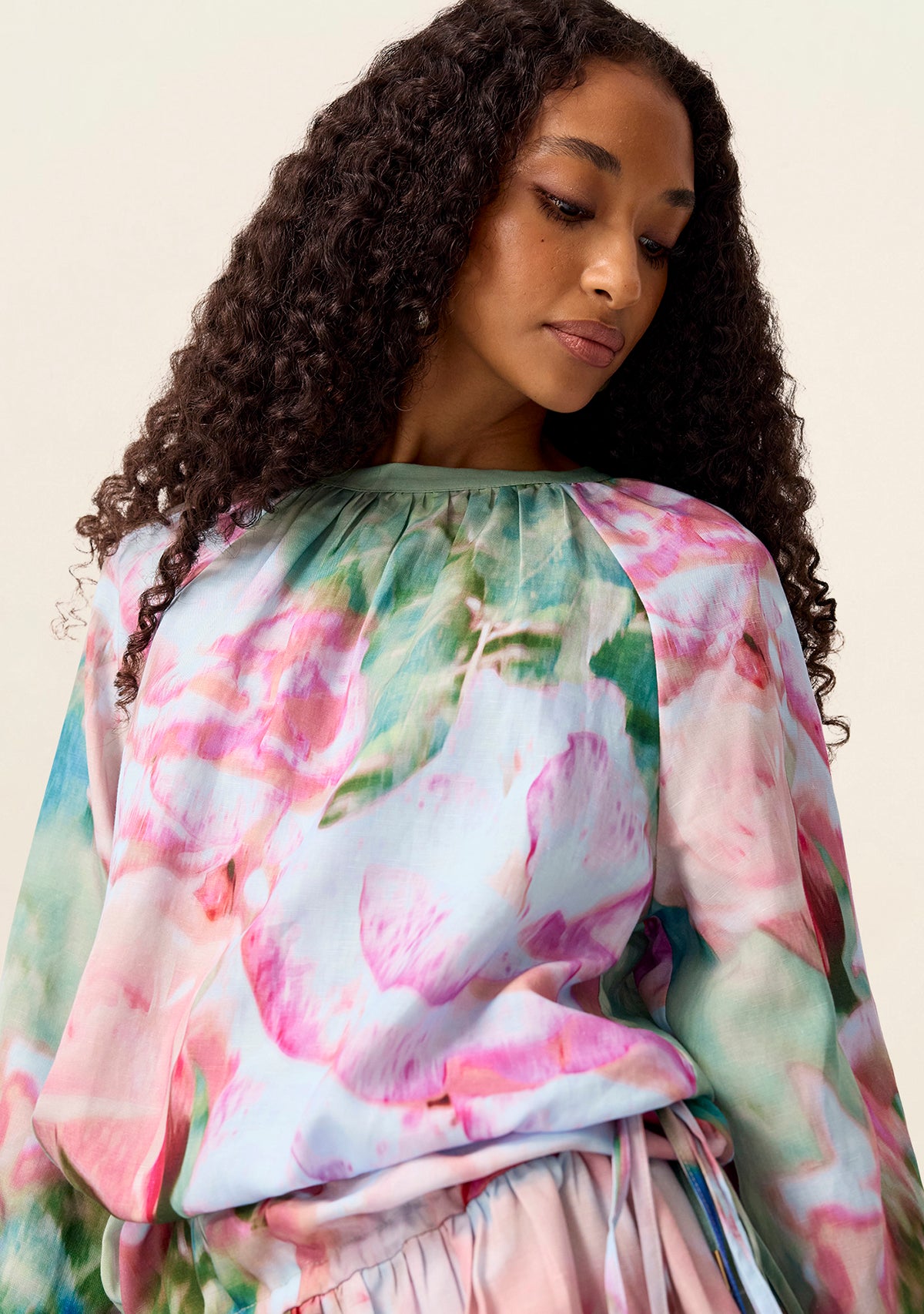
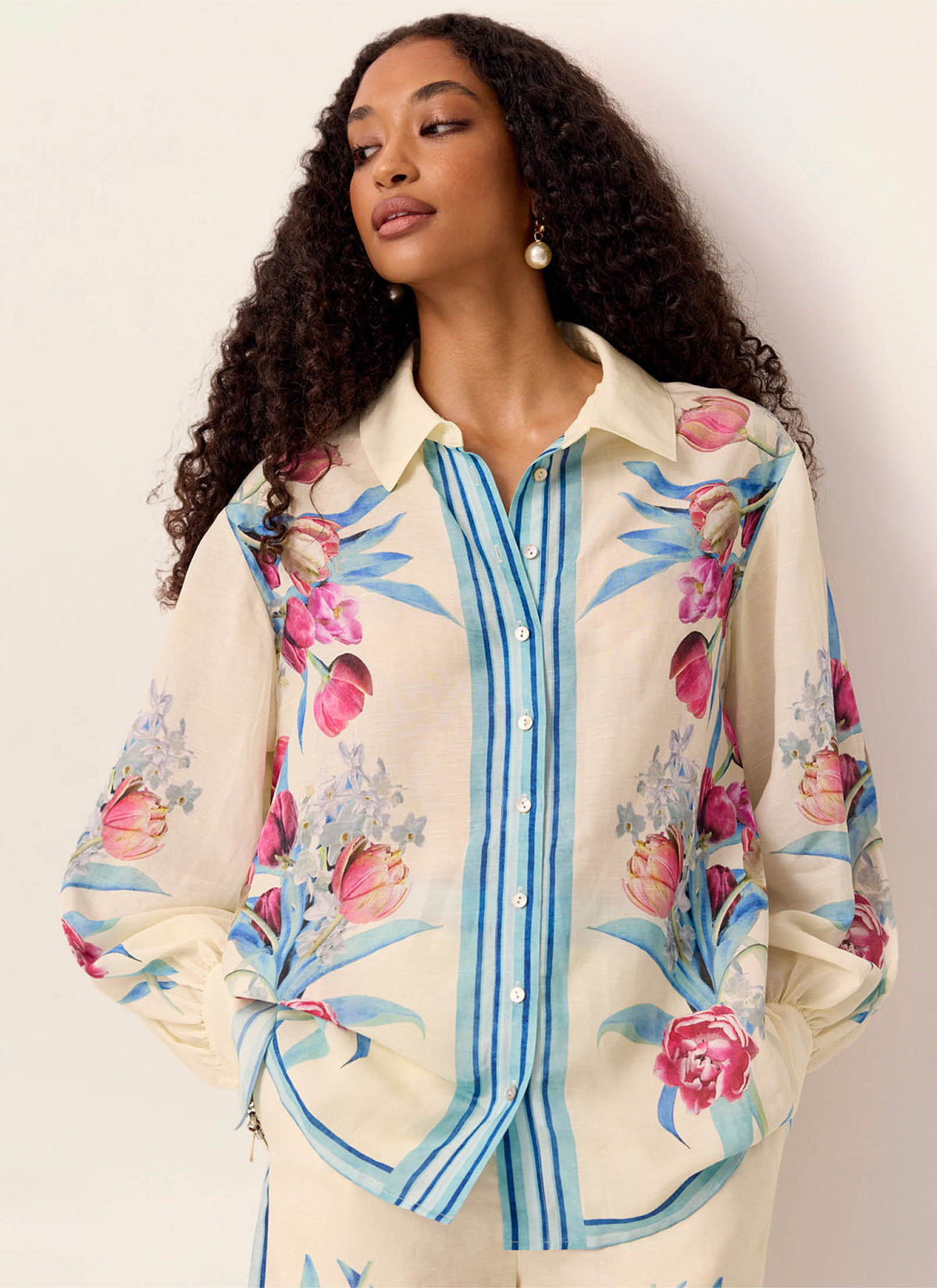
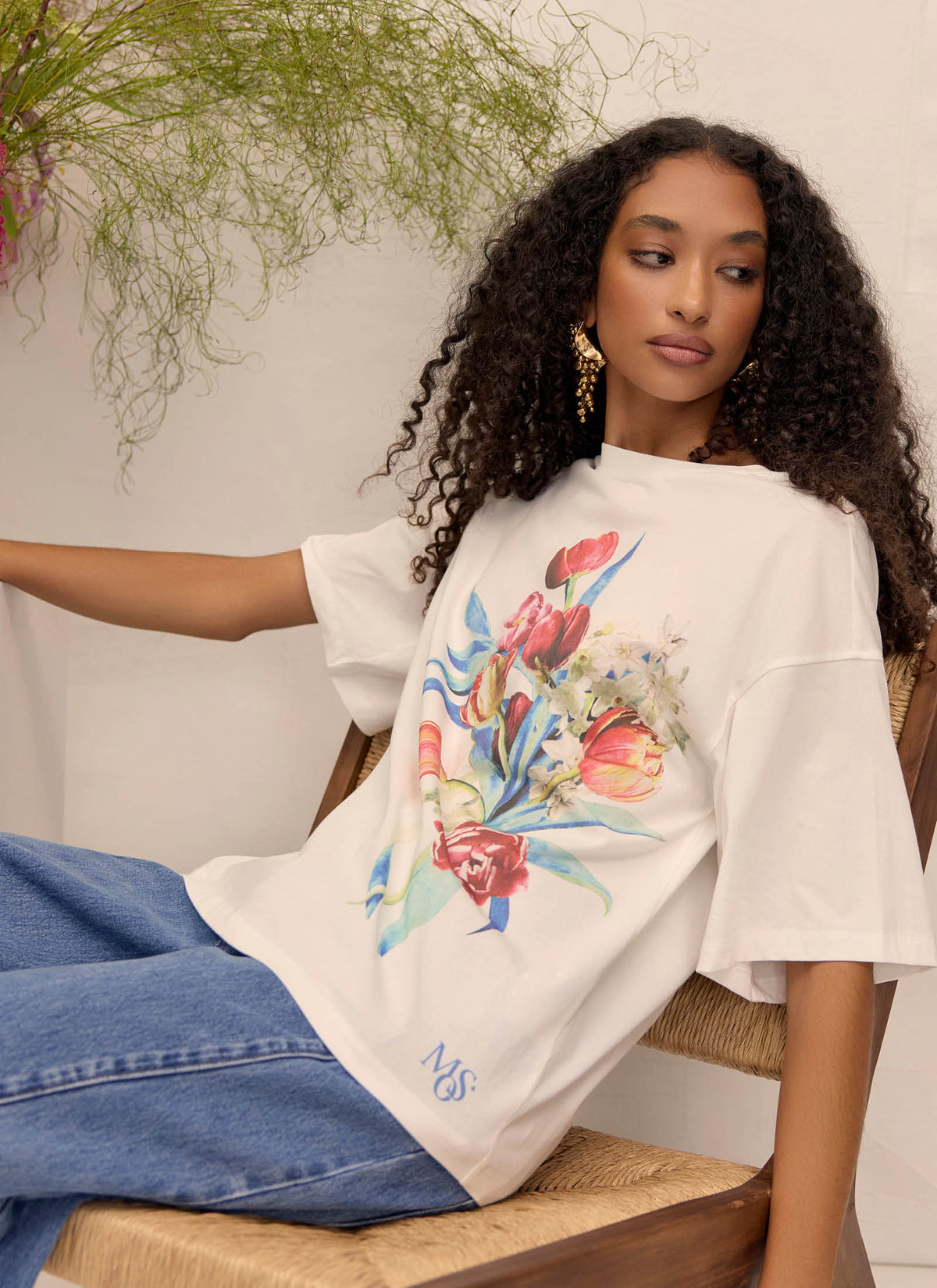
One of the details we're particularly drawn to is the placement print. Rather than a print simply repeating across the fabric, there's much more consideration around where the artwork sits on the finished garment and how it works with the silhouette.
We've carried the story across different pieces so there are multiple ways to wear it, including sets, dresses and even a tee.
The tee is something we're testing more of. You can buy a T-shirt anywhere, so for us the question becomes: how do we make one feel distinctly MOS?
With Tulip, that's through print. In future collections you'll see us continue exploring that idea using different techniques.
How important is fabrication when you're designing a collection?
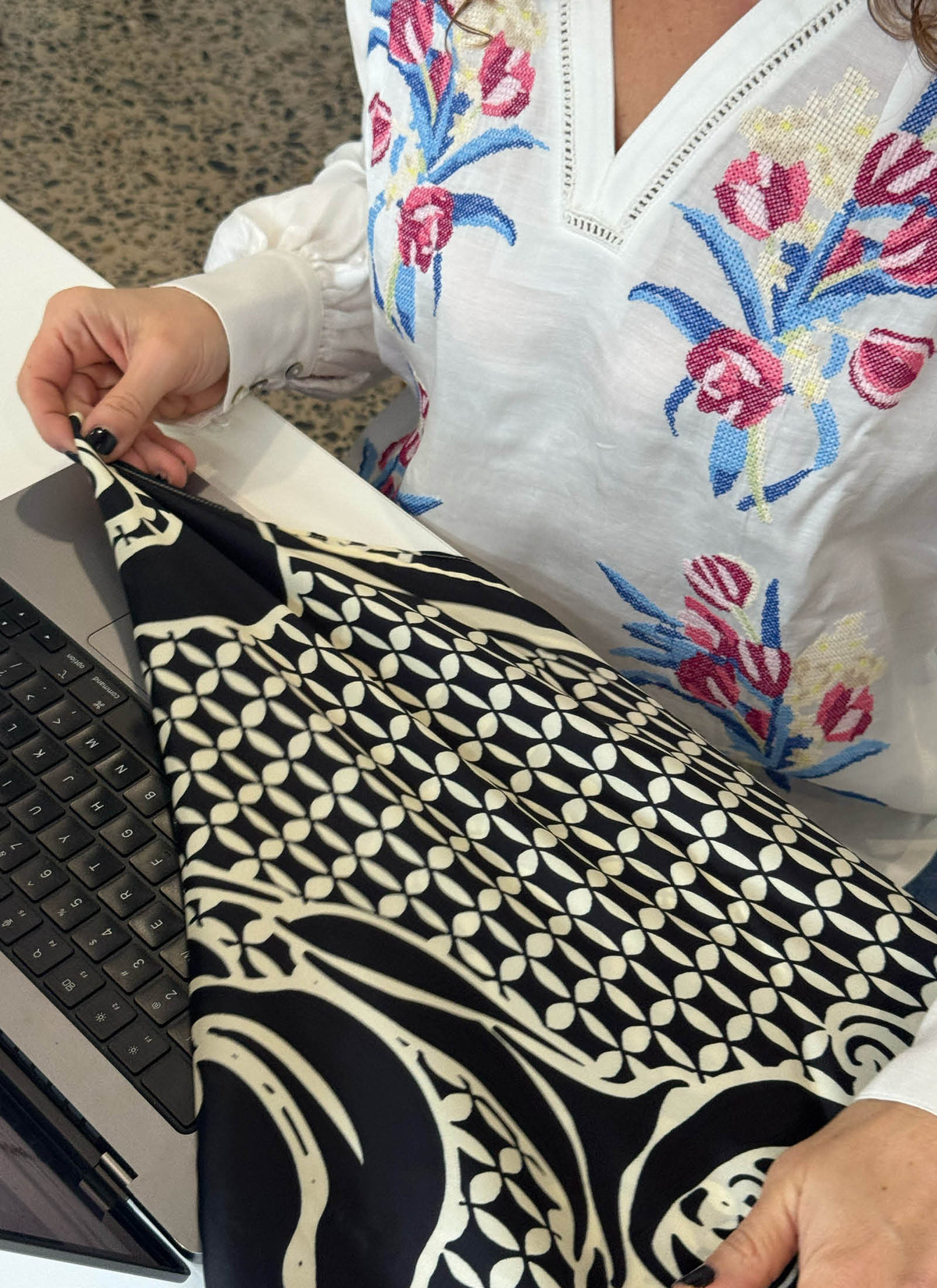
We're always trying to use natural fibres wherever possible.
The linen blend tailoring in Serene is a good example. Even when we do use polyester, we generally look for fabrications where it's blended with other fibres rather than relying on a completely synthetic composition.
The same thinking goes into jersey. We're looking at what else is within the fabrication and what that's going to bring to the finished garment.
It isn't about having one hard rule. It's about being considered with the fabric choices we're making and choosing what feels right for the piece.
How does a collection evolve from the initial idea to what the customer eventually sees?
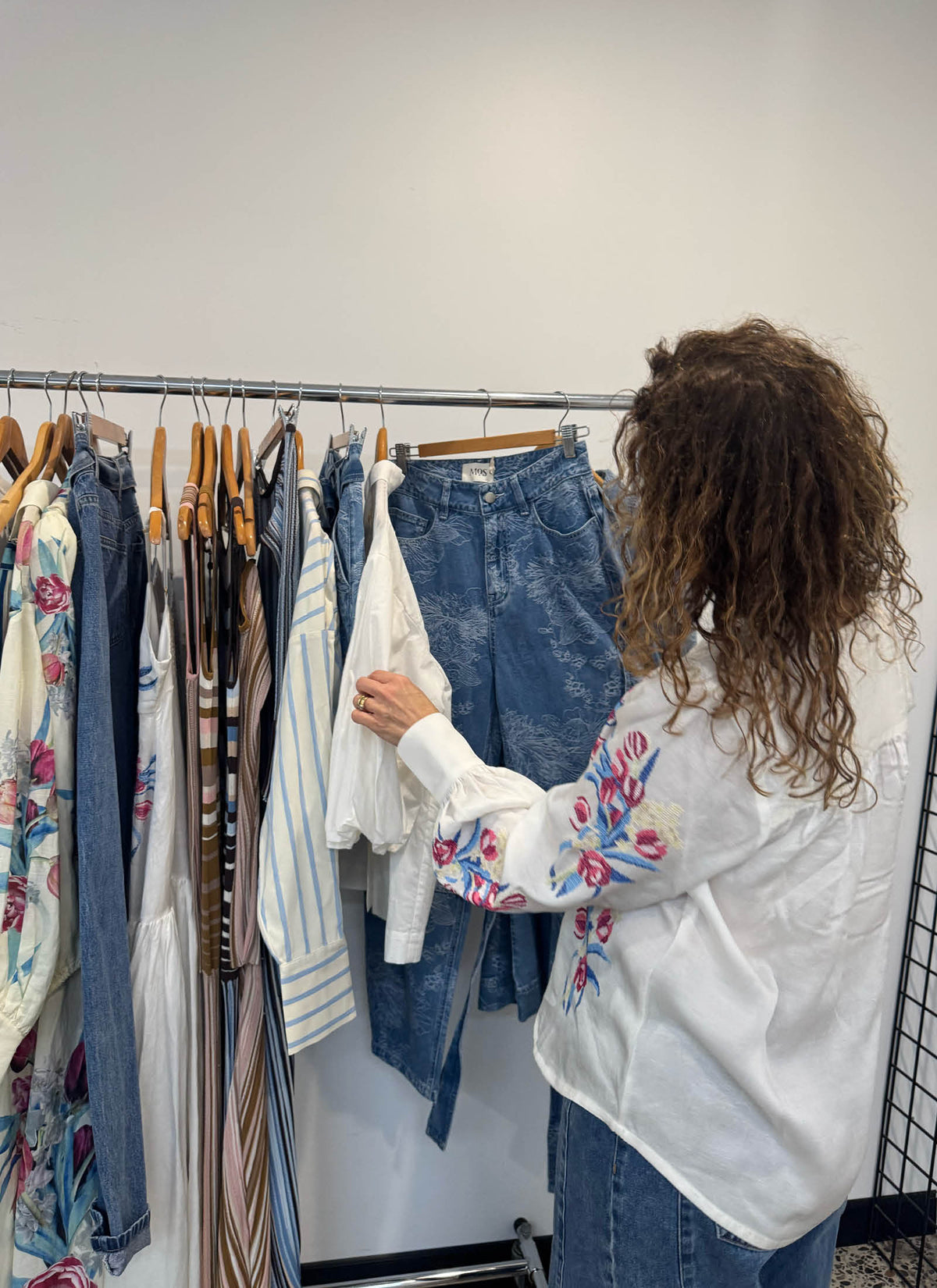
One of the things we really value about the way MOS works is that the original direction stays with the collection throughout the entire process.
At the beginning, we establish what we want the collection to feel like; the print, the mood and the overall direction. There are obviously changes and decisions along the way, but that original feeling carries through.
By the time we get to the campaign, we're not trying to invent a story around a collection that's already finished.
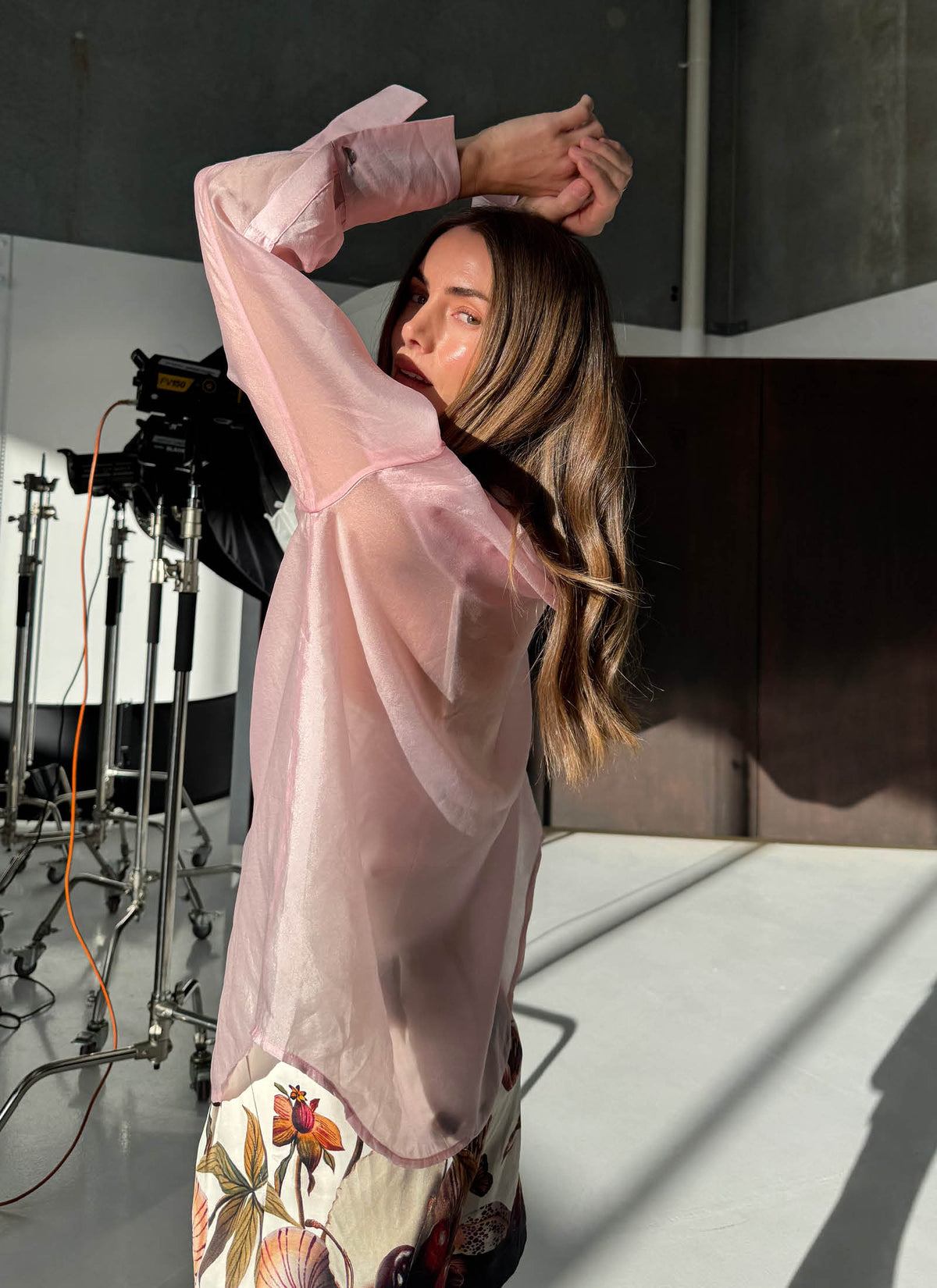
The story is the one we decided at the beginning.
That's something that's possible because we're a close team. We're able to be involved across different parts of the process and see the original vision carried all the way through to the final collection.
When you see the finished pieces and the campaign together and they still capture what you set out to create months earlier, that's really special.
EXPLORE THE COLLECTION